
Micah Trostle
28th feb, 2026
3 min read

The real benefits of tint go beyond looks, comfort, protection, and long-term interior health.
Window tint is often treated like a finishing touch.
It gives a vehicle a darker, cleaner appearance, complements the body lines, and helps the glass blend into the overall design. But quality window tint does far more than sharpen the exterior. The right film can reduce cabin heat, control glare, protect interior materials, block harmful ultraviolet exposure, and make every drive more comfortable. The appearance gets attention. The long-term performance is what makes professional tint worth it.
Window Tint Is More Than Dark Glass
Automotive window film is installed on the inside surface of the vehicle’s glass. Depending on the film, it can help manage solar energy, reduce glare, and filter ultraviolet rays before they enter the cabin. Not every tint performs the same way. Basic films may provide privacy and a darker appearance, while higher-performance ceramic films are designed to reject more heat without relying on an extremely dark shade. That distinction matters. Darkness and heat rejection are not the same thing. A lighter premium film can sometimes provide better comfort than a darker, lower-quality product. Choosing tint should be based on performance, visibility, appearance, and how the vehicle is used, not shade alone.
What Quality Window Tint Actually Does / Reduces Cabin Heat
A vehicle sitting in direct sunlight can become uncomfortable quickly. The glass allows solar energy to enter the cabin, heating the seats, dashboard, steering wheel, and interior panels.
Performance window film helps reduce the amount of solar heat passing through the glass. That can make the cabin feel more comfortable when you enter the vehicle and help it maintain a more manageable temperature while driving. Tint will not make a parked car remain completely cool, but it can reduce how aggressively the interior absorbs heat.
Improves Driving Comfort
Direct sunlight through the side windows can make even a short drive uncomfortable. Heat against your arms and face can become especially noticeable during longer trips. Window film helps create a more consistent cabin environment by reducing solar exposure through the glass. Instead of constantly adjusting the climate controls or moving away from the sun, you can focus on the road. It is a difference you feel every time you drive.
Reduces Glare
Bright sunlight, reflective pavement, headlights, and surrounding traffic can create distracting glare. Properly selected window tint can reduce harsh light entering through the side and rear glass, improving visual comfort during daytime and nighttime driving. The correct shade is important. Tint should reduce glare without creating unnecessary visibility problems, especially after dark.
Protects the Interior From UV Exposure
Sunlight does not only create heat. Ultraviolet exposure can gradually affect leather, vinyl, plastics, carpeting, stitching, and other interior materials. Over time, repeated exposure may contribute to fading, discoloration, drying, and premature wear. Quality window film provides another layer of defense between the sun and the interior. It cannot stop normal aging completely, but it can help preserve the materials and appearance of the cabin over the long term. That matters whether the vehicle is a daily driver, luxury car, work truck, classic, or weekend vehicle.
Helps Protect Drivers and Passengers
UV exposure can reach occupants through automotive glass, especially through the side windows. Window film helps reduce that exposure while driving. For people who spend long hours on the road, the benefit extends beyond the condition of the vehicle. It creates a more protected and comfortable environment for everyone inside.
Adds Privacy Without Sacrificing Style
Tint can make it more difficult to see personal belongings and interior contents from outside the vehicle. It does not replace good security habits, but it can add a useful level of privacy. The right shade also gives the vehicle a more complete appearance. When installed properly, the film should complement the vehicle rather than overwhelm it. Clean edges, consistent shades, and careful installation are what separate professional tint from a quick cosmetic upgrade.
What Window Tint Does Not Do / It Does Not Make the Cabin Heatproof
Window film reduces heat transfer, but it cannot eliminate heat completely. A vehicle parked outside in summer will still become warm. Tint helps slow heat buildup and improve overall comfort, but it does not replace air conditioning, shaded parking, or responsible precautions when leaving the vehicle.
Darker Does Not Always Mean Better
One of the most common misconceptions is that the darkest tint must reject the most heat. Film construction matters more than appearance alone. A high-performance ceramic film can provide strong heat rejection in a relatively light shade, while a basic dark film may offer less performance. The goal is not simply to make the windows as dark as possible. The goal is to select the right combination of comfort, visibility, style, and legal compliance.
It Does Not Prevent All Interior Damage
Tint helps reduce UV and solar exposure, but interior surfaces still require proper care. Leather should still be cleaned and conditioned when appropriate. Dashboards and trim should still be maintained. Contaminants, abrasion, temperature changes, and normal use can still affect the cabin. Window film is part of a long-term protection strategy, not a replacement for maintenance.
It Does Not Fix Damaged Glass
Window tint cannot repair scratches, chips, cracks, or failing window components. The glass should be inspected before installation. Existing damage may need to be addressed before film is applied, especially when it could affect the quality or safety of the finished installation.
Why Film Quality Matters
Low-quality tint can fade, discolor, bubble, peel, or interfere with visibility as it ages.
Professional-grade films are designed to provide greater optical clarity, more consistent performance, and longer service life. Premium ceramic options can deliver meaningful heat rejection without using metallic materials or requiring excessively dark shades. The installation matters just as much as the film. Every window must be cleaned and prepared carefully. The film must be shaped to the glass, installed without contamination, and finished cleanly around edges and seals.
A good tint job should look like it belongs on the vehicle.
Choosing the Right Tint
The best tint is not identical for every driver.
A daily commuter may prioritize heat rejection and visibility. A luxury vehicle owner may want a refined factory-style appearance. Someone who drives frequently at night may prefer a lighter shade, while another owner may place more value on daytime privacy.
The right choice depends on:
The amount of heat rejection desired
Daytime and nighttime visibility
The vehicle’s existing factory glass
The preferred exterior appearance
Local window tint regulations
The type and quality of film being installed
A professional installer can explain the differences between film options and help select a shade that performs well without compromising the way the vehicle is used.
Tint Is a Long-Term Comfort Upgrade
A clean appearance may be the first thing people notice after a tint installation, but the real value becomes clearer over time. It is the difference you feel when the sun is hitting the side of the vehicle. It is the reduced glare during a long drive. It is the protection helping preserve the dashboard, seats, and trim year after year. Window tint is not only about making a vehicle look darker. It is about creating a cabin that feels better, ages better, and stays easier to enjoy. Lower cabin heat. Protect the interior. Keep the finish sharp.
That’s how we do it at ACAP.
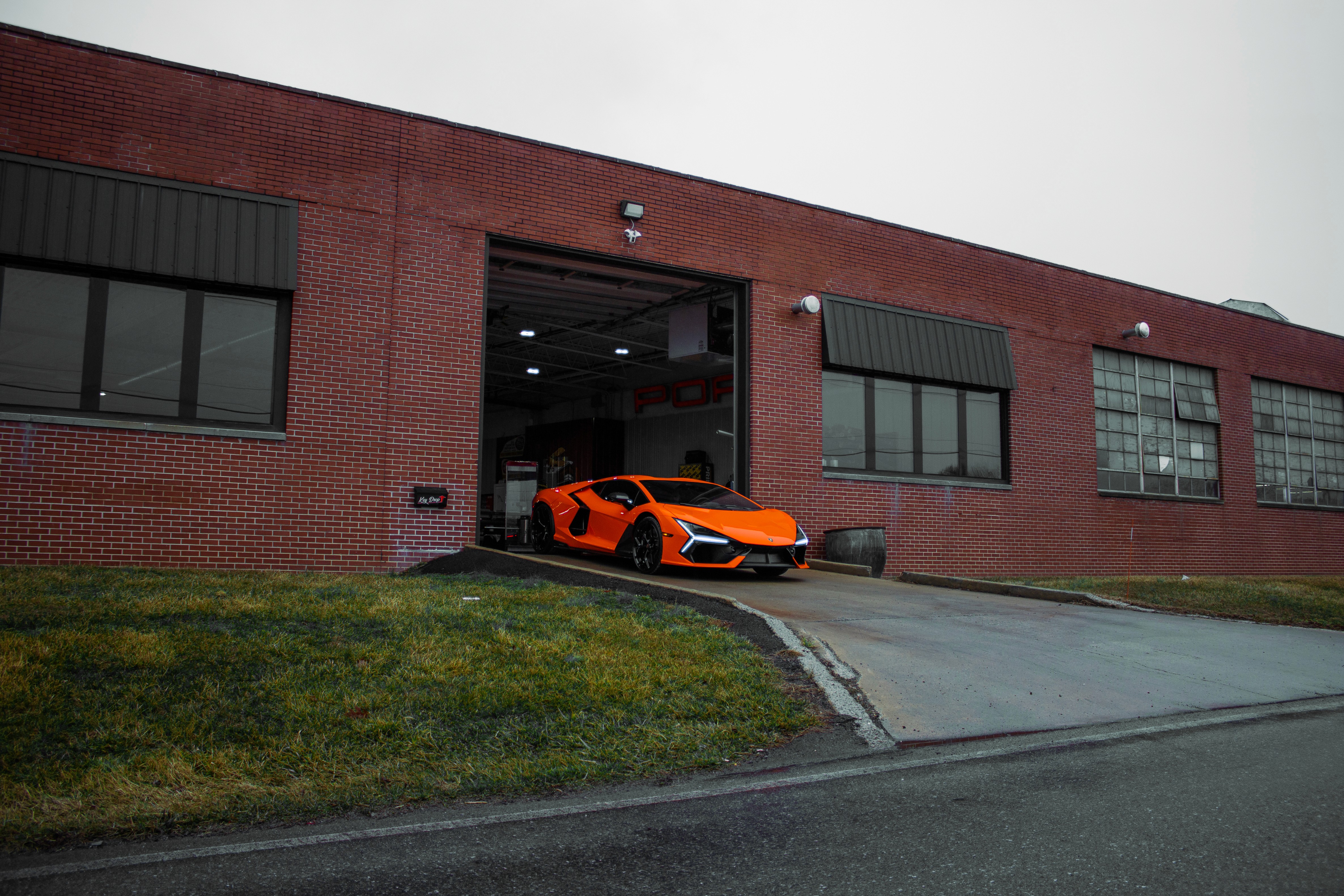
*Photography by Micah Trostle
Table of contentS


Send us photos, plans, or square footage details and we’ll help you start narrowing down the right commercial tint package.
