
Micah Trostle
15 July, 2026
5 min read

How a Porsche GT4 RS Clubsport Shows the Importance of Paint Protection During Pennsylvania's Summer Heat.
As Pennsylvania settles into another stretch of summer heat, it's not just drivers feeling the effects. Scorching pavement, relentless UV rays, bug splatter, road construction, and long highway drives all take a toll on your vehicle's finish. Whether it's a daily commuter or a purpose-built race car, summer is one of the harshest seasons for automotive paint.
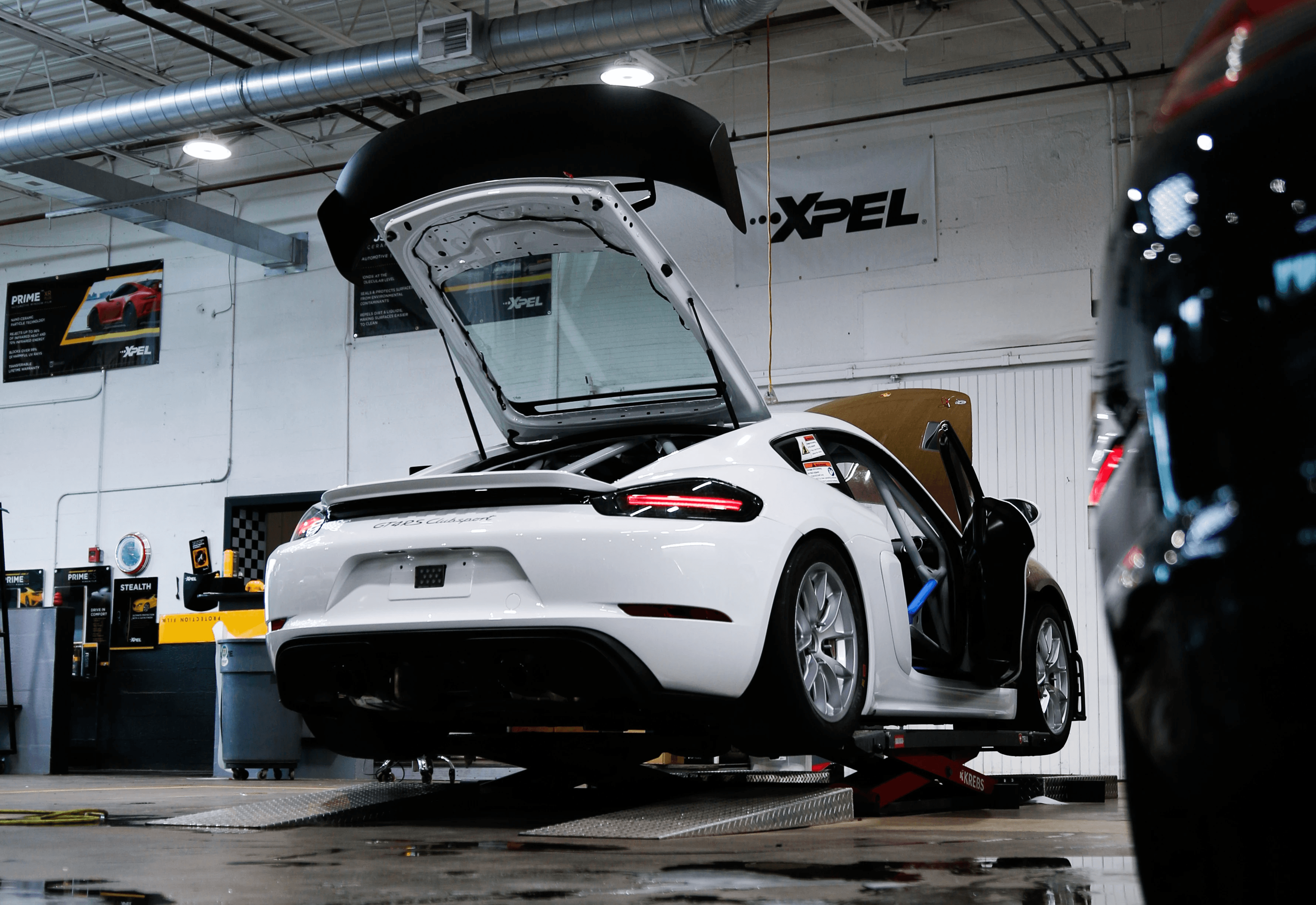
Recently, ACAP Films had the privilege of protecting a very exciting vehicle that came through our shop, a Porsche 718 Cayman GT4 RS Clubsport. While this isn't your average Porsche, the reasons it received a full-body Paint Protection Film (PPF) installation apply to virtually every vehicle on the road.

A Race Car You Can't Drive to Dinner
At first glance, the GT4 RS Clubsport looks like a street-going Porsche with an oversized wing. In reality, it's something entirely different.
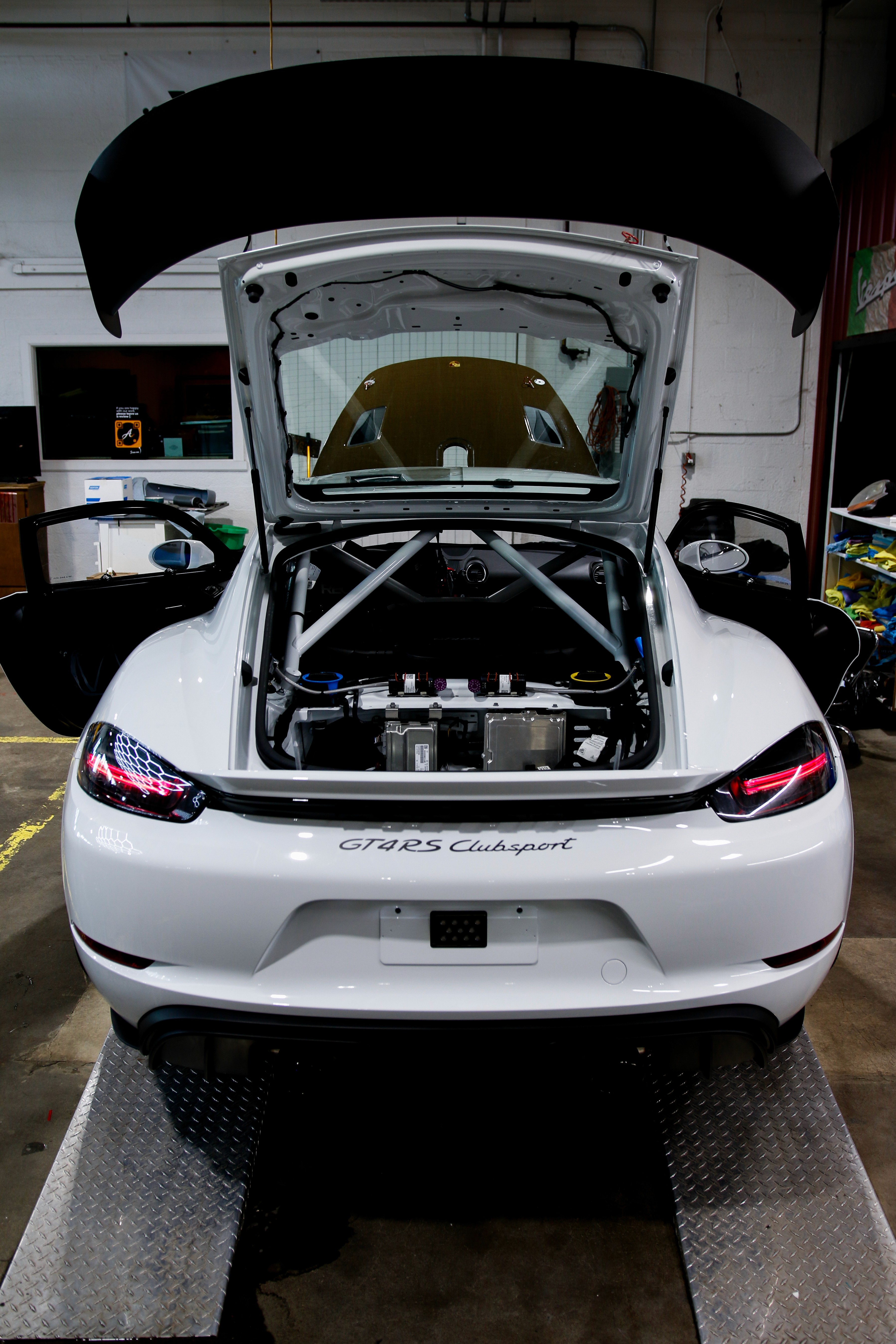
This isn't simply a modified production car, it's a factory-built race car developed by Porsche Motorsport for GT4 competition around the world. Under the rear hatch sits a naturally aspirated 4.0-liter flat-six producing approximately 500 horsepower, paired with a seven-speed PDK transmission. Every component has one purpose: to be fast, reliable, and competitive on the racetrack. Weighing just over 2,900 pounds (1,330 kg), it's engineered to deliver incredible performance while remaining approachable for customer racing teams.
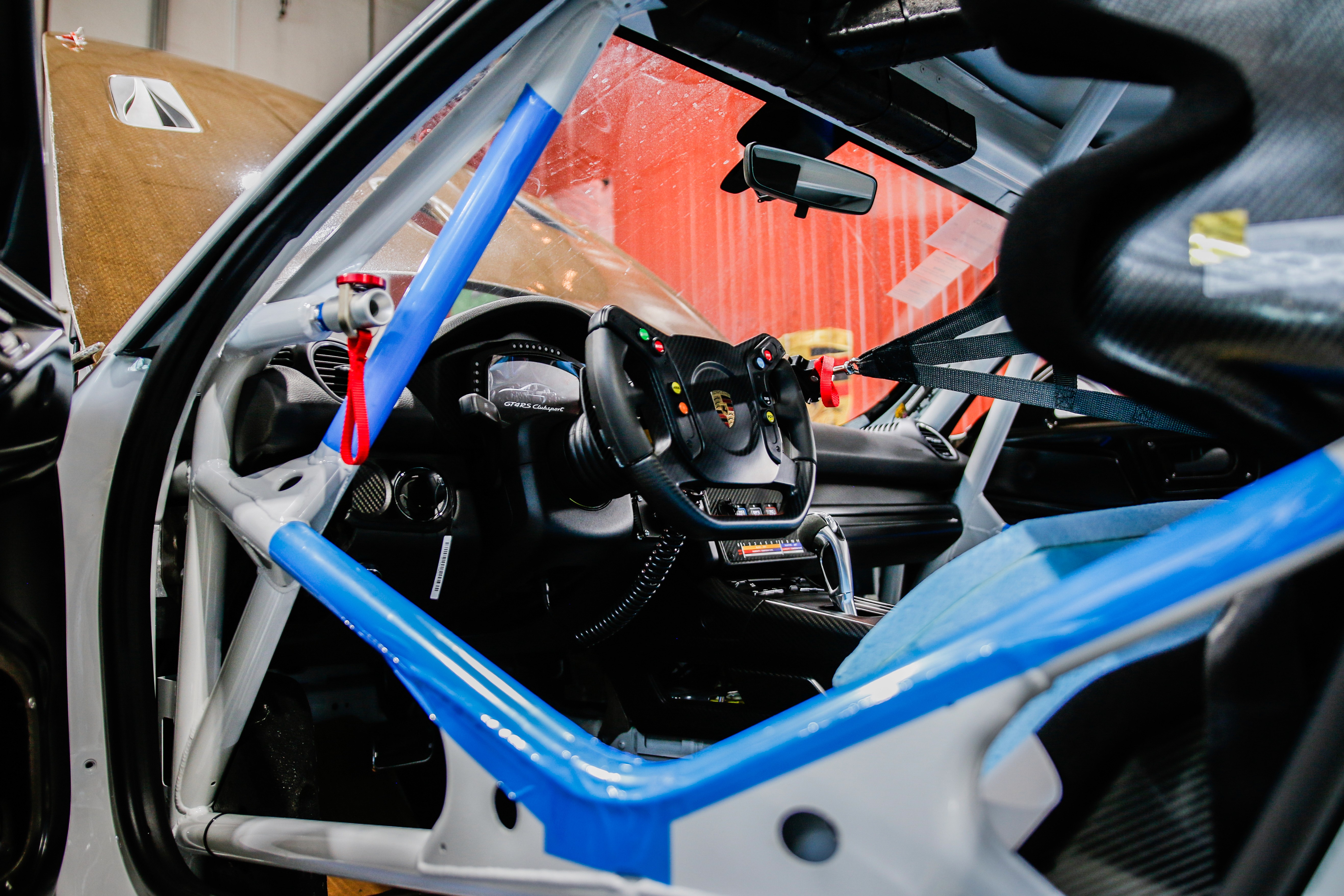
Step inside and you'll find no leather seats, no touchscreen, and no luxury amenities. Instead, there's a full FIA-certified roll cage, a racing bucket seat, fire suppression system, quick-release steering wheel, and every control positioned for maximum efficiency. It's built to chase lap times, not comfort.
One of the Most Interesting Materials on the Car Isn't Carbon Fiber
Here's something that surprises even many Porsche enthusiasts.
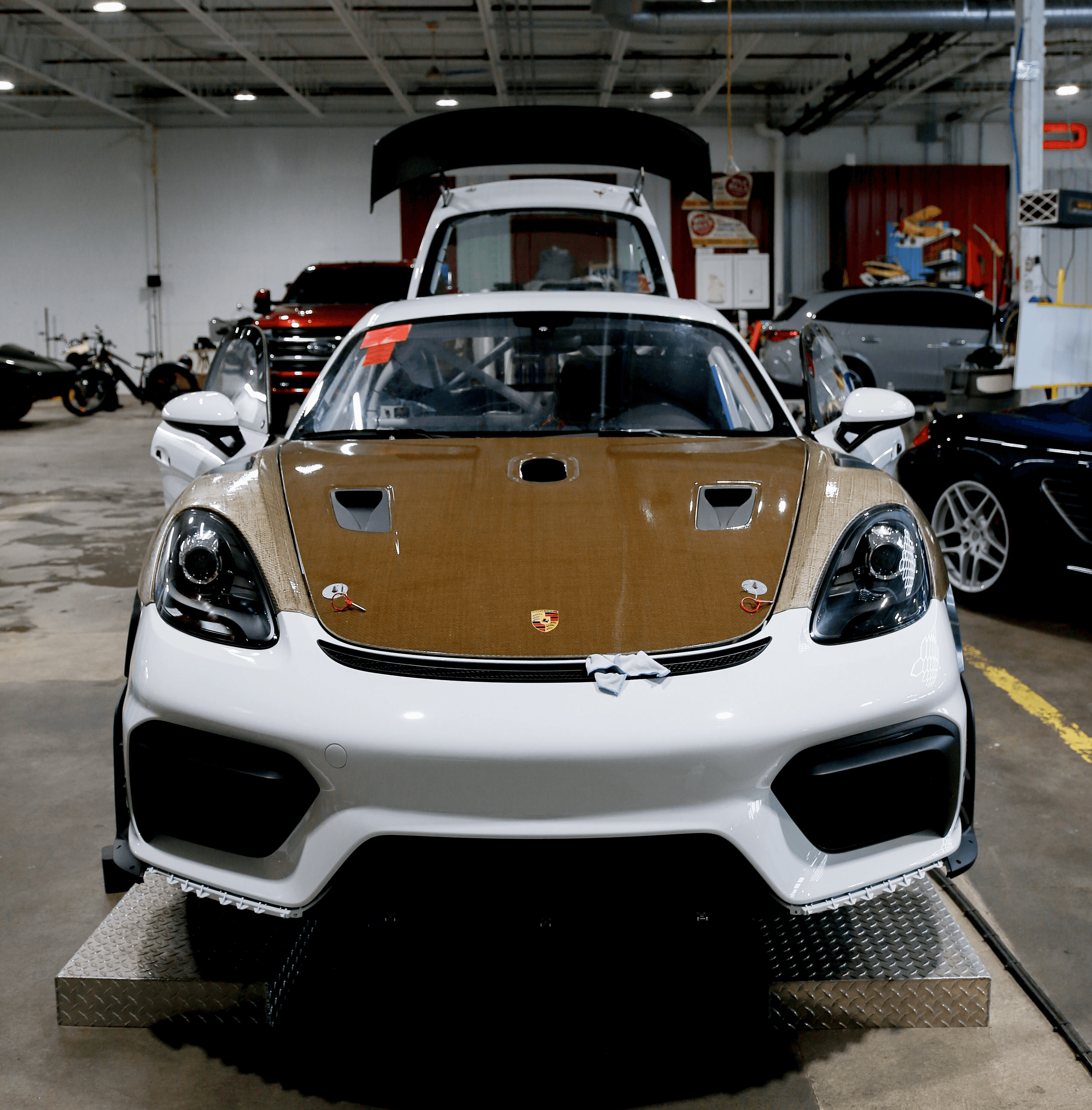
Several exterior panels on the GT4 RS Clubsport including the doors, front lid, fenders, aerodynamic components, rear wing, and even parts of the steering wheel are made from natural-fiber composite materials instead of traditional carbon fiber. These composites are produced primarily from flax fibers, along with other agricultural plant fibers such as hemp, offering similar weight and stiffness characteristics for these applications. Porsche continues to evaluate these materials in motorsport as a way to reduce environmental impact while developing technologies that could eventually make their way into future production vehicles.
It's a reminder that racing has always been a laboratory for innovation. Disc brakes, dual-clutch transmissions, aerodynamic advancements, and countless safety technologies all proved themselves on the track long before appearing in road cars. Today, sustainable lightweight materials are becoming part of that same story.
Why Even a Race Car Needs Paint Protection Film
People often assume race cars don't need cosmetic protection because they're built to be driven hard.
The opposite is often true.
High-performance vehicles spend much of their lives exposed to conditions that are incredibly demanding on paint. Rubber from other race cars, gravel kicked up by competitors, insects, brake dust, transport damage, and constant cleaning all slowly wear away at the finish.
Even when a vehicle isn't actively racing, loading and unloading from trailers, traveling between events, and spending time in the paddock expose it to rock chips and everyday hazards.
A full-body Paint Protection Film installation creates a nearly invisible sacrificial layer over the original finish. Instead of the paint absorbing every impact from small stones or road debris, the film takes the abuse first.
Summer Is Tough on Every Vehicle
While few of us own a GT4 RS Clubsport, every vehicle experiences the same summer conditions.
Pennsylvania's hot temperatures increase the surface temperature of your paint dramatically. UV exposure gradually fades finishes and trim. Bug splatter becomes more acidic as it bakes in the sun. Road construction means loose gravel is everywhere, while weekend road trips expose vehicles to thousands of miles of debris.
The difference is simply how valuable the paint is to you.
For some owners, it's a six-figure Porsche.
For others, it's the truck they rely on every day or the SUV that carries the family.
Protecting the finish before damage occurs is almost always easier and less expensive than correcting it afterward.
Precision Matters
Installing Paint Protection Film is about far more than laying clear film over painted panels.
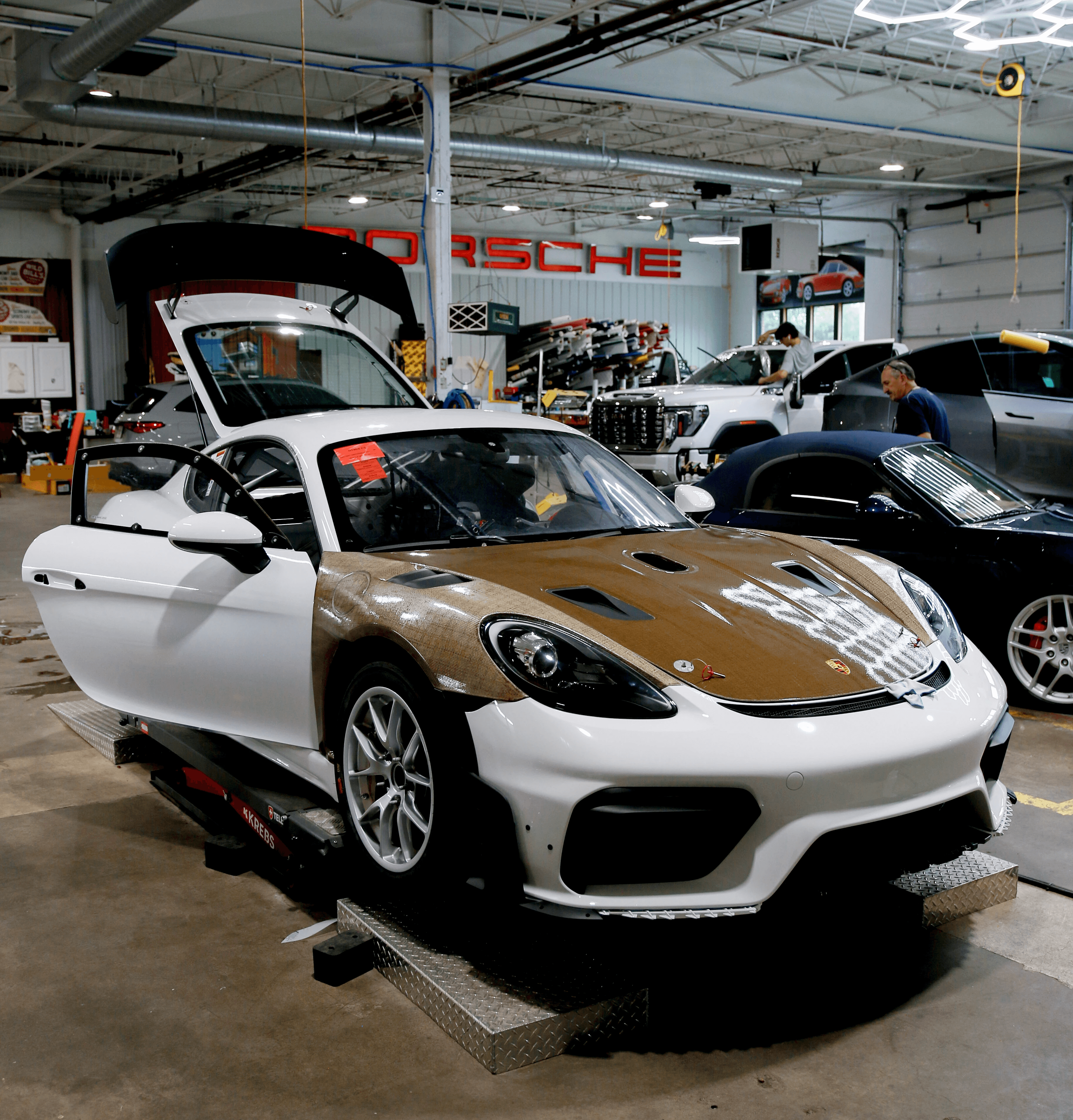
Every installation begins with thorough preparation. The paint must be meticulously cleaned and decontaminated before the film ever touches the surface. From there, each panel is carefully aligned, stretched where necessary, and wrapped with clean edges wherever possible to create an appearance that's virtually invisible.
When properly installed, most people shouldn't notice the film at all. They should simply notice how flawless the paint continues to look months, or even years later.
That's the standard we strive for on every vehicle that enters our shop, whether it's a weekend sports car, a family SUV, or a dedicated factory race car like this Porsche.
More Than Protection
Working on the GT4 RS Clubsport was a reminder of why we enjoy what we do.
Cars like this represent decades of engineering, innovation, and passion. They're built to be driven, not hidden away, and protecting them allows owners to enjoy every mile with greater confidence.
As summer continues across Central Pennsylvania, now is one of the best times to think about protecting your own vehicle. The same Paint Protection Film that helps preserve a Porsche built for the racetrack can also keep your daily driver looking newer for years to come.
Whether you're preparing for your next road trip, protecting a new purchase, or simply wanting to preserve the finish you've worked hard to maintain, investing in protection before damage occurs is one of the smartest decisions you can make.
At ACAP Films, that's exactly what we're here to help you do.
*Photography by Micah Trostle
Read Next Article
ACAP Service Center Has Re-Opened for Business!
Table of contentS


Send us photos, plans, or square footage details and we’ll help you start narrowing down the right commercial tint package.
