
Micah Trostle
21 August, 2026
4 min read

A 1967 Corvette Sting Ray Gets the Wild Bill Treatment
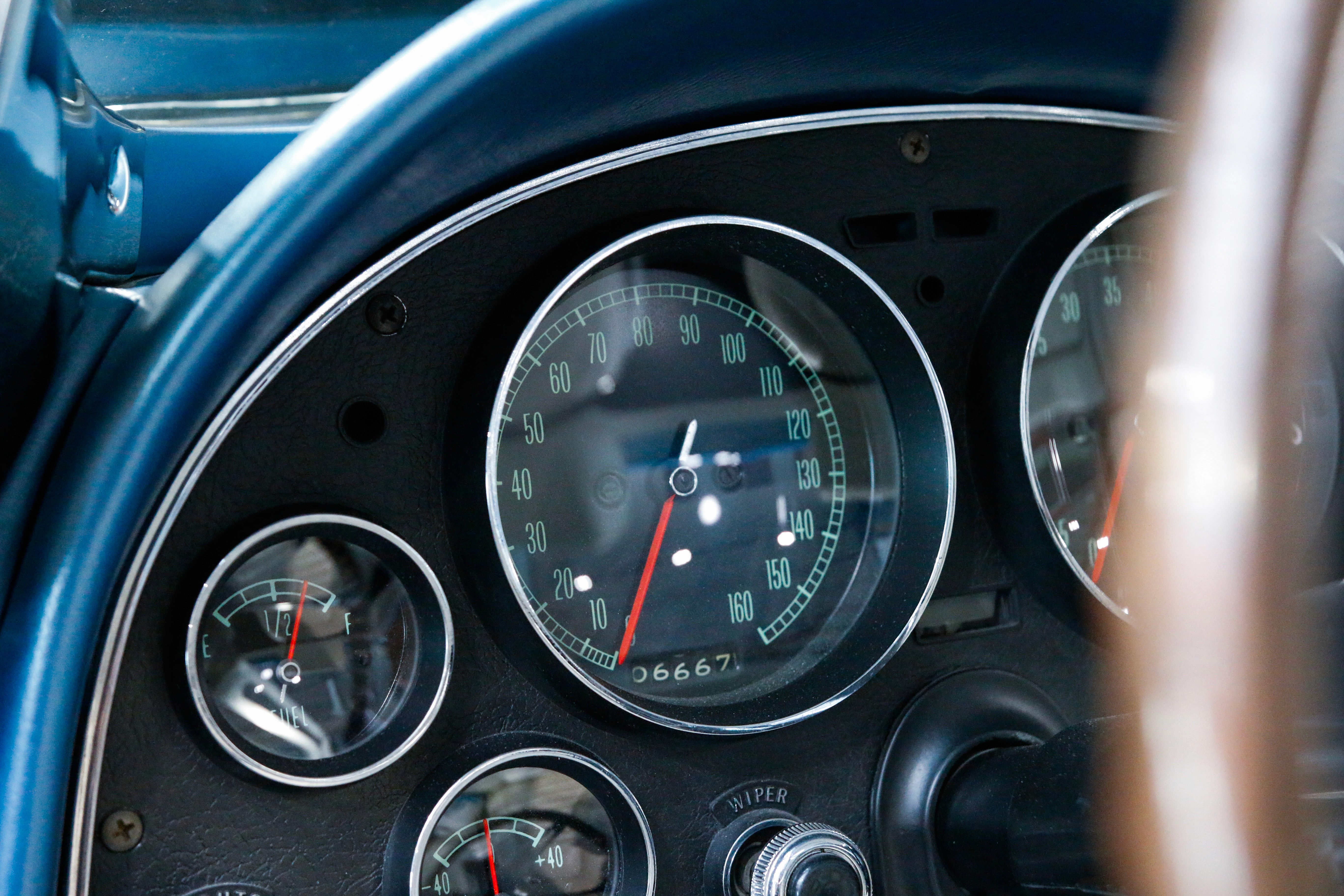
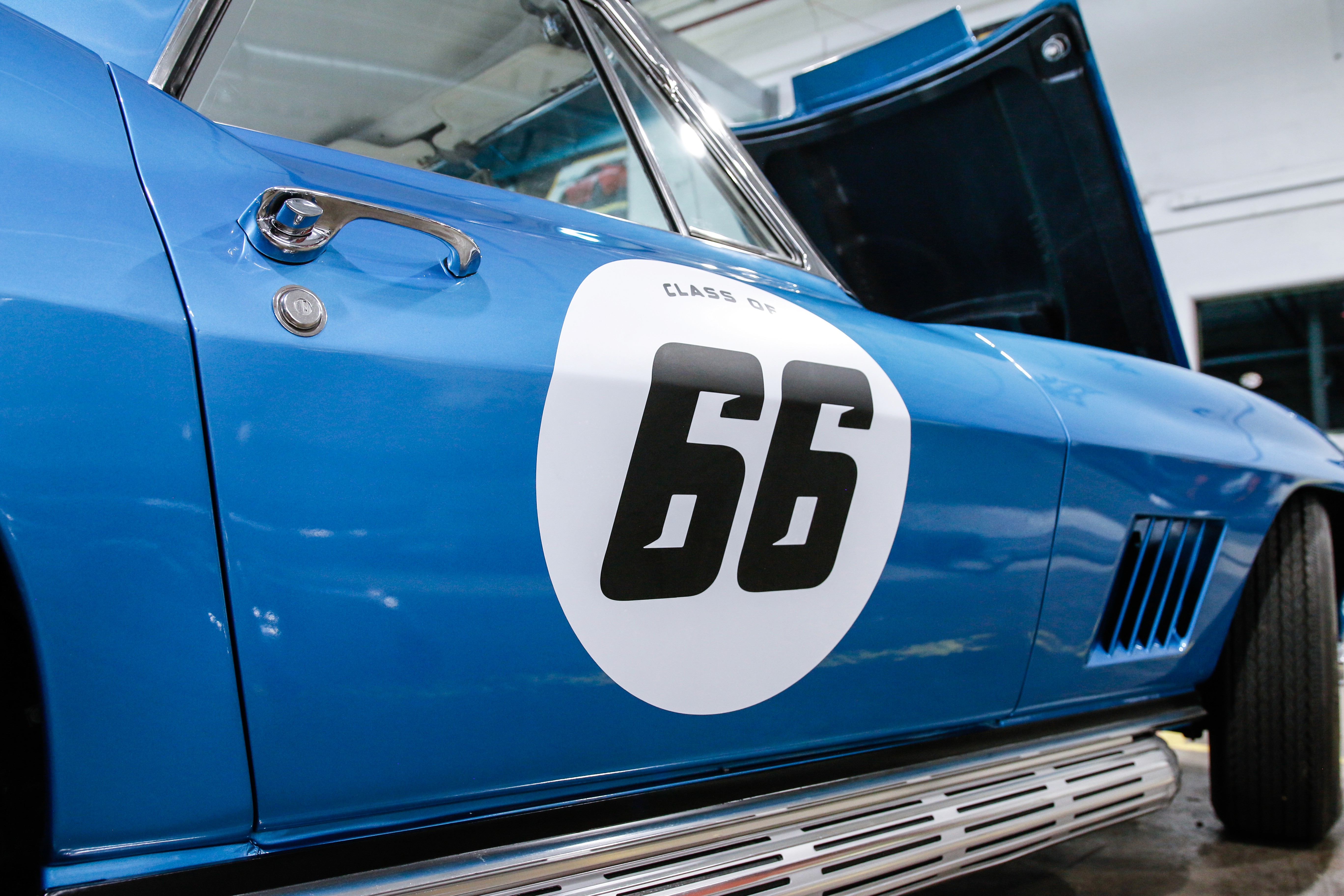
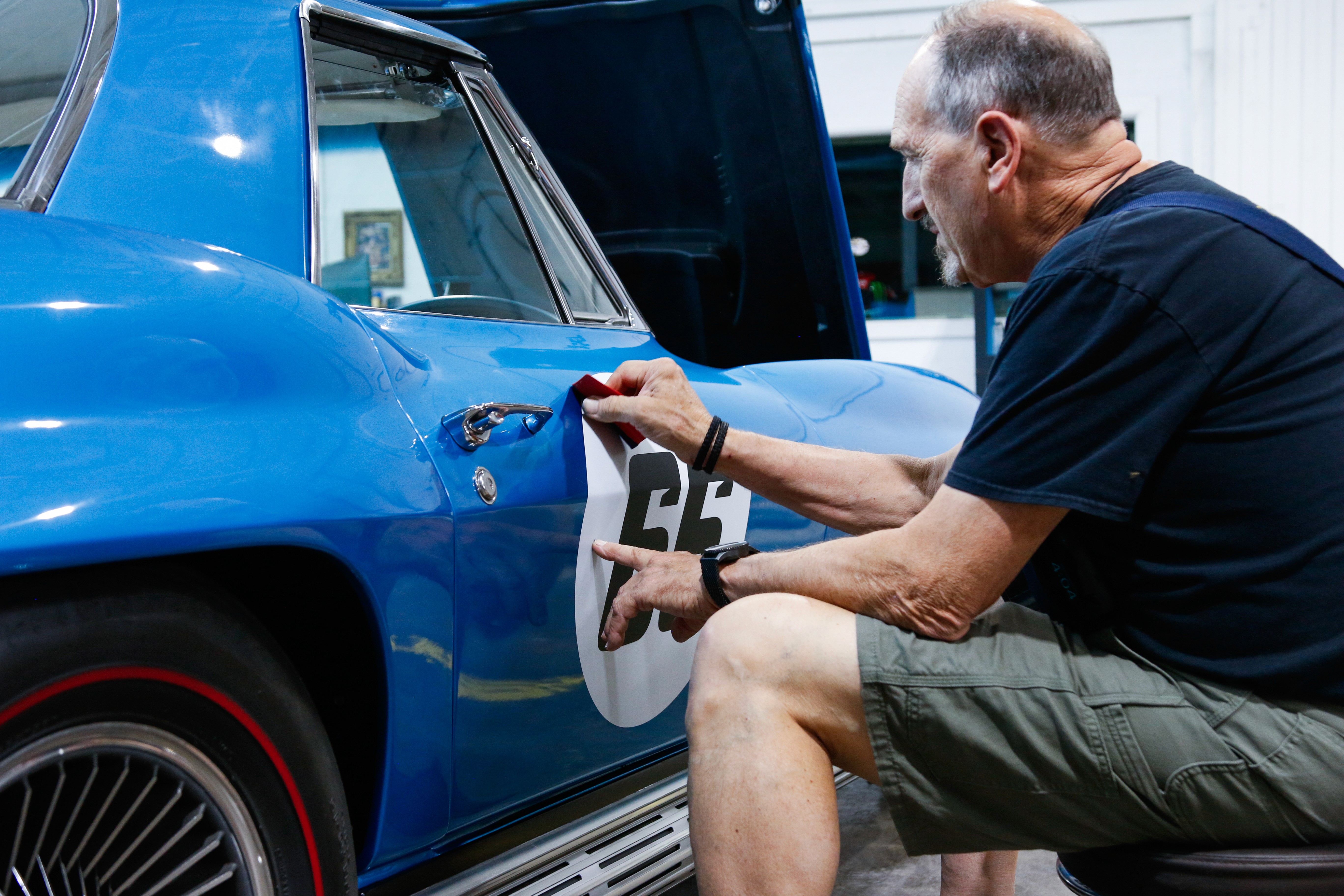
Some cars come through the shop and immediately get everyone’s attention. This 1967 Chevrolet Corvette Sting Ray Convertible was one of them. Finished in Marina Blue, wearing 427 badging, and showing just 667 miles on the odometer, this C2 Corvette already had plenty of presence before we touched it. The owner brought it to ACAP Films for something that fits perfectly with our history: a custom racing decal designed and installed by Wild Bill. It was the kind of project that brings together two different sides of what ACAP has always been about—respect for classic automotive design and the ability to add something custom without taking away from what makes the car special in the first place. And with Corvettes at Carlisle coming up next week, having a car like this in the shop felt like the perfect opportunity to talk about one of America’s most recognizable sports cars, the history behind what we do, and where ACAP is headed next.

A Corvette From One of Chevrolet’s Greatest Eras
The 1967 Corvette holds a particularly important place in Corvette history. It was the final model year of the second-generation Corvette, better known as the C2 Sting Ray, which Chevrolet produced from 1963 through 1967. By the time 1967 arrived, Chevrolet had spent several years refining the design. The result was a Corvette that maintained the unmistakable styling of the C2 while incorporating many of the improvements Chevrolet had learned throughout the generation. Today, the 1967 model is one of the most recognizable and desirable Corvettes from the era. From the long hood and pronounced fenders to the compact cabin and dramatic rear bodywork, the C2 has a shape that really doesn't need much help. That's exactly why working on one requires some restraint. When a car already has this much character, the goal isn't to cover it up. It's to complement it.
Marina Blue, White and Bright Blue
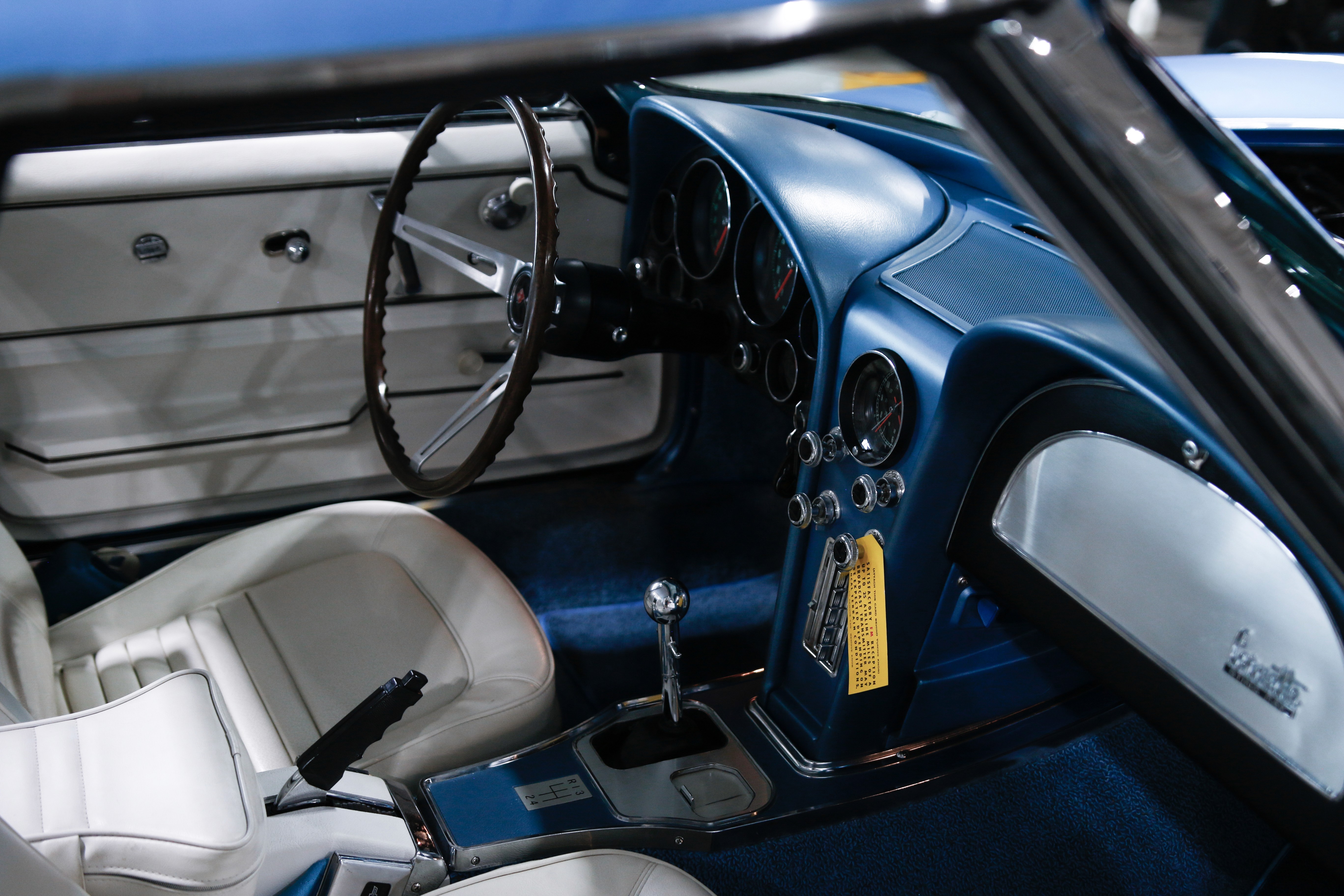
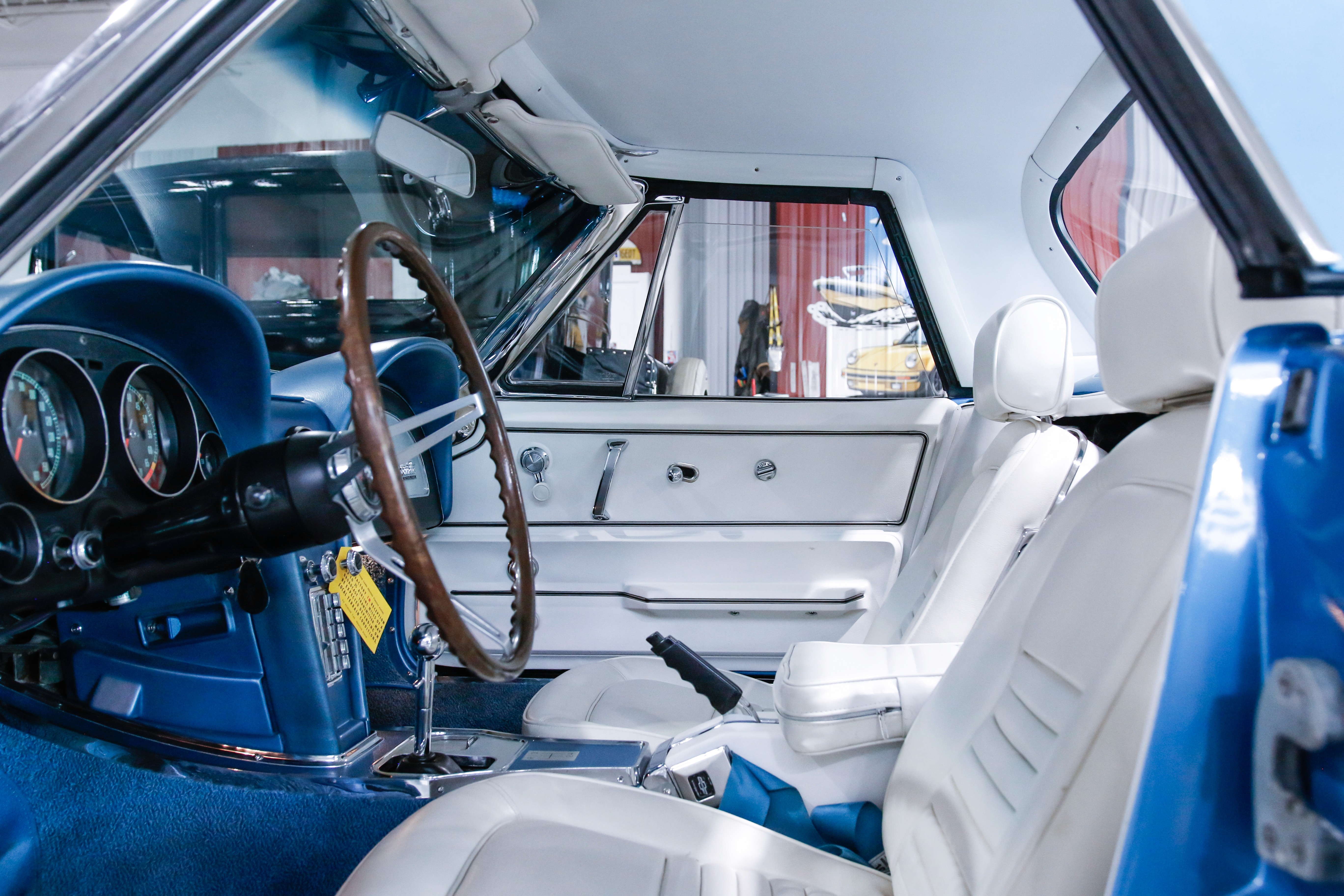
The factory trim tag on this particular Corvette gives us a little more insight into how it was originally configured. The tag identifies it as a 1967 Chevrolet Corvette convertible, with a body build date in March of 1967. Its original paint code corresponds with Marina Blue, one of the signature Corvette colors of the era. The interior trim code indicates a white and bright blue interior, creating a distinctly 1960s color combination that fits the car perfectly. Even more than half a century later, Marina Blue still works beautifully on the C2 body. Depending on the lighting, the color can appear rich and saturated or lighter and almost metallic, emphasizing the curves and body lines that make these cars so recognizable.
This particular Corvette is also showing only 667 miles on the odometer, making it especially interesting to see up close. With a vehicle of this age, mileage and provenance ultimately depend on documentation and history, but regardless, seeing a number that low on the odometer of a 1967 Corvette certainly gets your attention.
What Does the 427 Badge Mean?
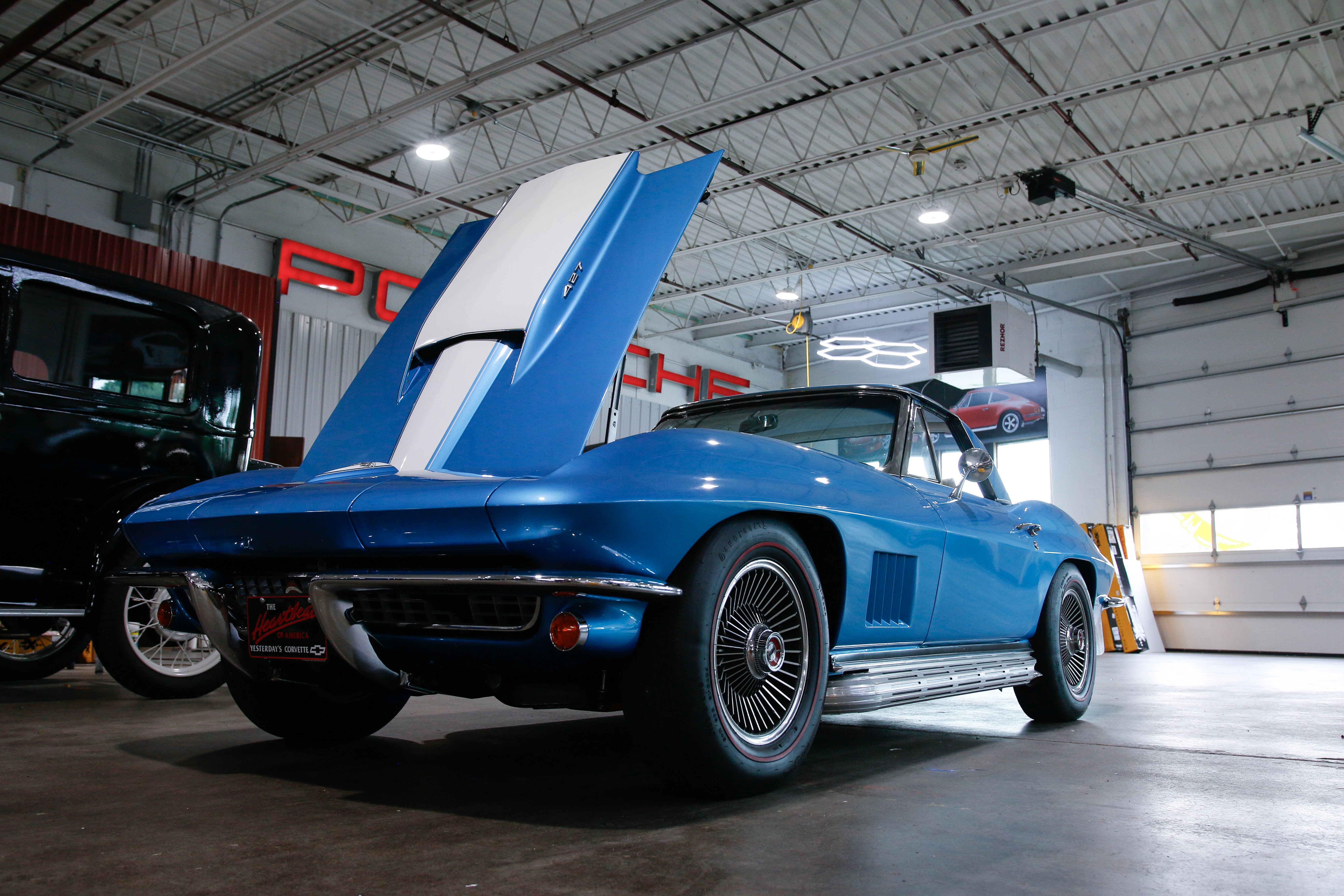
One of the first things you notice on the car is the 427 designation. For anyone familiar with classic Corvettes, those three numbers carry a lot of history. The 427 refers to Chevrolet's 427-cubic-inch big-block V8, one of the engines most closely associated with high-performance Corvettes of the late 1960s. Chevrolet offered several 427 configurations in the 1967 Corvette, with different carburetor setups, compression ratios, cylinder heads, and horsepower ratings. Some were relatively tame by big-block standards. Others became legendary. The most famous versions included high-performance Tri-Power configurations using three two-barrel carburetors, while extremely limited-production engines such as the L88 helped establish the Corvette as a serious competition platform. The presence of a 427 decal or badge by itself isn't enough to determine exactly which engine configuration a car originally left the factory with. Confirming that requires additional information from the VIN, engine stampings, documentation, and the car's history. But there's no denying what the 427 name represents. It comes from an era when Chevrolet was putting serious big-block power into one of the lightest and most recognizable American sports cars on the road.
A Custom Racing Graphic From Wild Bill
The owner didn't bring this Corvette to ACAP for a complete transformation. Instead, the goal was to add a custom racing-inspired graphic that looked appropriate on a car from this era. That's where Wild Bill comes in. Long before today's digitally printed wraps, computer-cut paint protection film, and modern graphic design software, custom automotive graphics required a strong eye, steady hands, and an understanding of how lines interact with the shape of a vehicle. That old-school approach is still a major part of who we are. Bill has spent decades working with vehicles where the smallest details make a significant difference. Pinstriping, lettering, graphics, placement, proportions, and color all have to work together. A graphic can be technically perfect and still look wrong if it doesn't fit the car. On a Corvette like this, that becomes even more important. The C2 already has strong horizontal lines, pronounced wheel arches, distinctive side vents, chrome trim, and a body shape that immediately identifies the car. Adding a racing graphic means finding a way to introduce something new without fighting any of those elements. The finished design needed to feel intentional. Not like something stuck onto the car decades later, but something that could naturally exist alongside the styling of the period.

Old-School Craft Still Matters.
Automotive customization has changed dramatically over the years. Today we have precision-cut vinyl, advanced adhesives, digital design software, computerized plotters, and materials that perform far beyond what was available decades ago. Those tools are incredibly useful, but they don't replace good design. The technology can cut the line perfectly, but someone still has to know where that line should go. That's one of the things we enjoy most about projects like this Corvette. It gives us an opportunity to combine modern materials and installation techniques with the traditional automotive craftsmanship ACAP was built around. Sometimes that means a full modern paint protection film installation. Sometimes it means tint. Sometimes it means ceramic coating. And sometimes a 1967 Corvette rolls through the door because the owner wants Wild Bill to create a racing graphic for it. That's a pretty good day at the shop.
From Classic Corvettes to Modern C8s
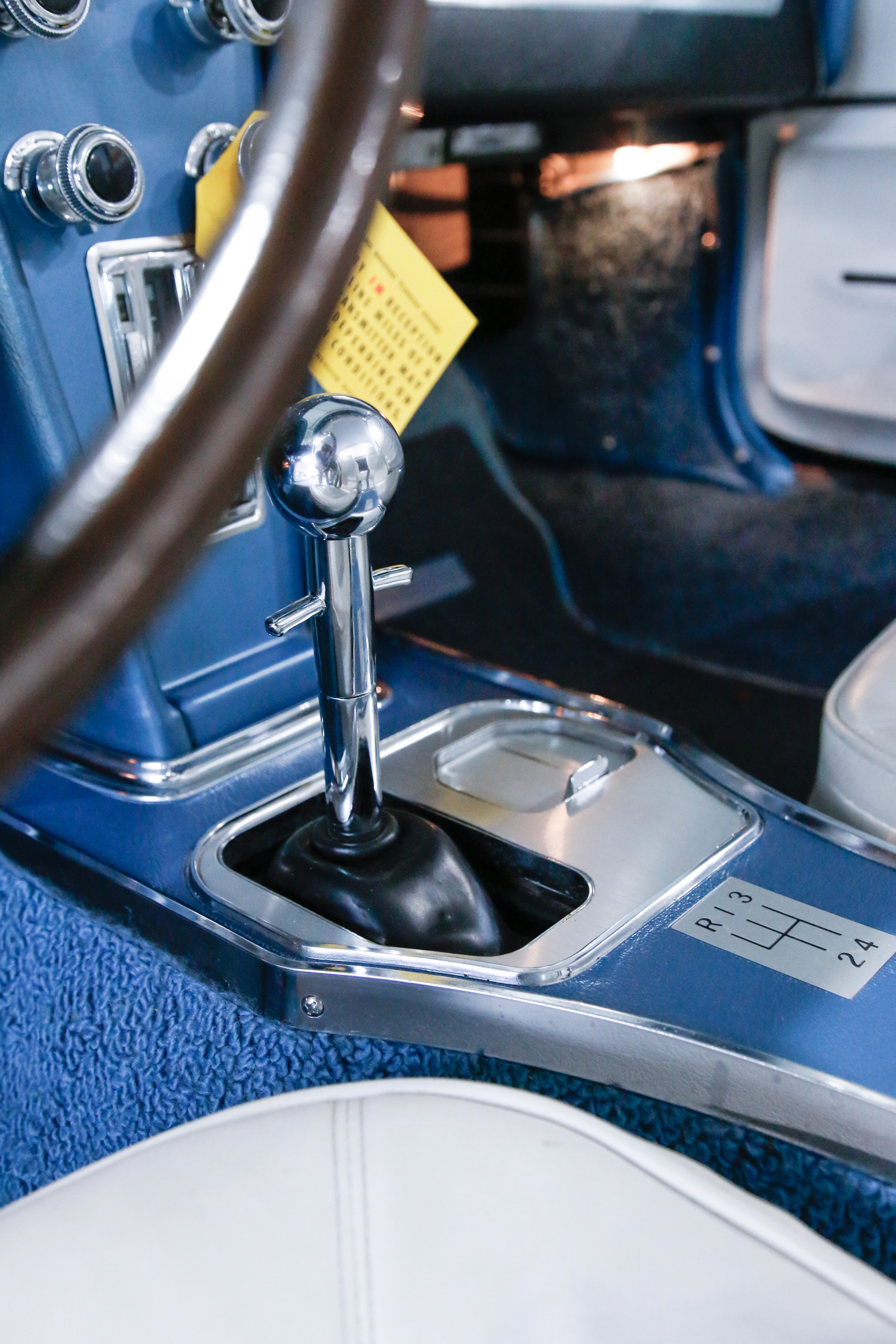
The Corvette itself has changed enormously since this car was built. A 1967 C2 and a modern C8 Corvette approach performance in completely different ways. One has a front-mounted big-block V8, analog gauges, chrome bumpers, and a driving experience that comes directly from the muscle-car era. The other uses a mid-engine platform, sophisticated electronics, modern aerodynamics, advanced suspension technology, and levels of performance that would have seemed nearly impossible in 1967. But there's still a clear connection between them. Both were designed to be unmistakably American performance cars. And whether we're working on a C2, C5, C6, C7, C8 Stingray, Z06, or one of the countless other Corvette configurations that have appeared over the years, there's one thing they tend to have in common: their owners care about them. That means choosing the right products, using the right installation methods, and understanding that protecting or customizing a Corvette isn't the same as working on just another vehicle.
Protecting the Next Generation With XPEL
While this 1967 Corvette came to us for custom graphics, much of the work we do on newer Corvettes revolves around protection. Modern Corvette paint, bodywork, aerodynamic surfaces, carbon-fiber components, and low front ends are constantly exposed to road debris. That's where XPEL paint protection film comes in. Paint protection film creates a virtually invisible barrier over vulnerable painted surfaces and helps protect them from common road damage such as rock chips, scratches, bug impacts, and other wear that can quickly show up on a performance car. Corvettes are especially good candidates for PPF because of their low stance and wide bodywork. The front bumper, hood, fenders, mirrors, rocker panels, and other high-impact areas can take a surprising amount of abuse from normal driving. And for owners who want more comprehensive protection, full-body PPF can protect nearly every painted exterior surface while maintaining the original appearance of the vehicle. It's a very different service from the type of hand-created automotive graphics that helped build ACAP decades ago, but the underlying idea really hasn't changed: take care of the car, pay attention to the details, and do the job properly.

ACAP Films Is Heading to Corvettes at Carlisle
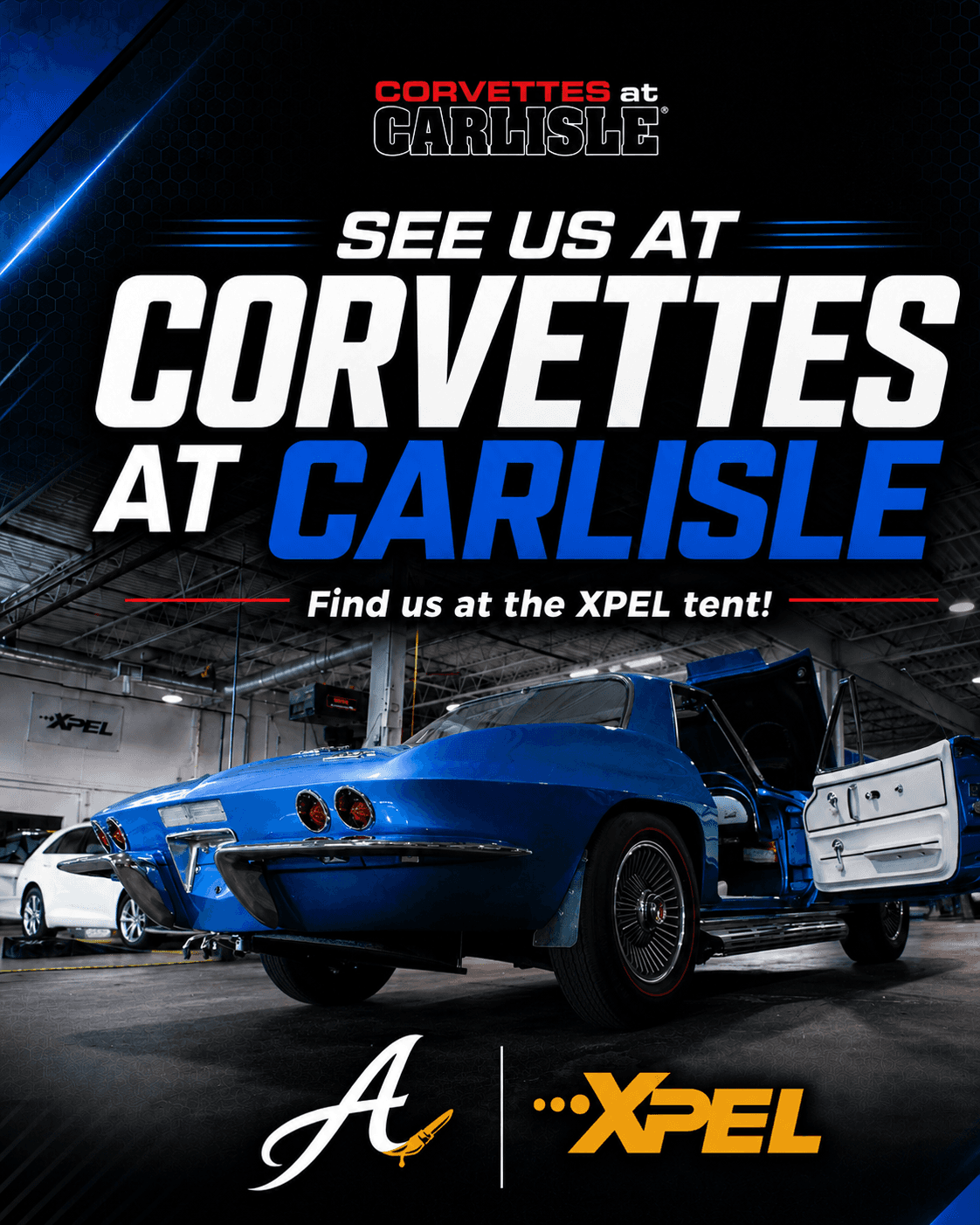
The timing of this 1967 Corvette couldn't be much better because next week, ACAP Films will be joining XPEL at Corvettes at Carlisle. Corvettes at Carlisle is one of the largest Corvette gatherings anywhere, bringing together thousands of Corvettes representing virtually every generation, body style, trim level, and era of the car. From restored C1s and C2s to modified C5s and brand-new C8s, it's one of those events where you can walk a few hundred feet and see decades of Corvette history sitting side by side. For us, that's what makes it such a great event. We get just as excited about seeing a beautifully restored classic like this 1967 Sting Ray as we do seeing the latest Z06 or a fully built modern Corvette. We'll be at the event with XPEL, talking with Corvette owners about paint protection film, automotive protection, installation, and the different ways owners can preserve their cars while still enjoying them.
The Best Cars Aren't Meant to Be Forgotten
Cars like this 1967 Corvette are a reminder of why automotive culture continues to matter. Someone cared enough to preserve it. Someone cared enough to bring it into the shop. And someone cared enough about the details to want a custom graphic designed specifically for the car rather than settling for something generic. That's the part of automotive work we enjoy most. Every car has a different story. Sometimes we're helping preserve the original paint on a brand-new Corvette. Sometimes we're completely changing the appearance of a vehicle with graphics or vinyl. Sometimes we're recreating a detail that hasn't existed for decades. And sometimes Wild Bill gets handed a 1967 Corvette and told to make it look just a little bit cooler. We can work with that.
See Us at Corvettes at Carlisle
If you're heading to Corvettes at Carlisle next week, make sure to look for the ACAP Films crew with XPEL. Stop by, check out what XPEL has to offer, talk with us about protecting your Corvette, or just come talk cars. Whether you own a brand-new C8, a classic C2, or something somewhere in between, we'd love to see what you're driving. And if your Corvette needs something a little more custom when you get home, you know where to find us.
Old School Craft. Modern Protection. ACAP Films
Manheim, Pennsylvania
717-665-6964
Read Next Article
Be Proactive, Not Reactive: Why Windshield Protection Film Is Worth It
Table of contentS


Send us photos, plans, or square footage details and we’ll help you start narrowing down the right commercial tint package.
